Bulk Construction Materials South Africa: A Procurement Guide
1 October 2025
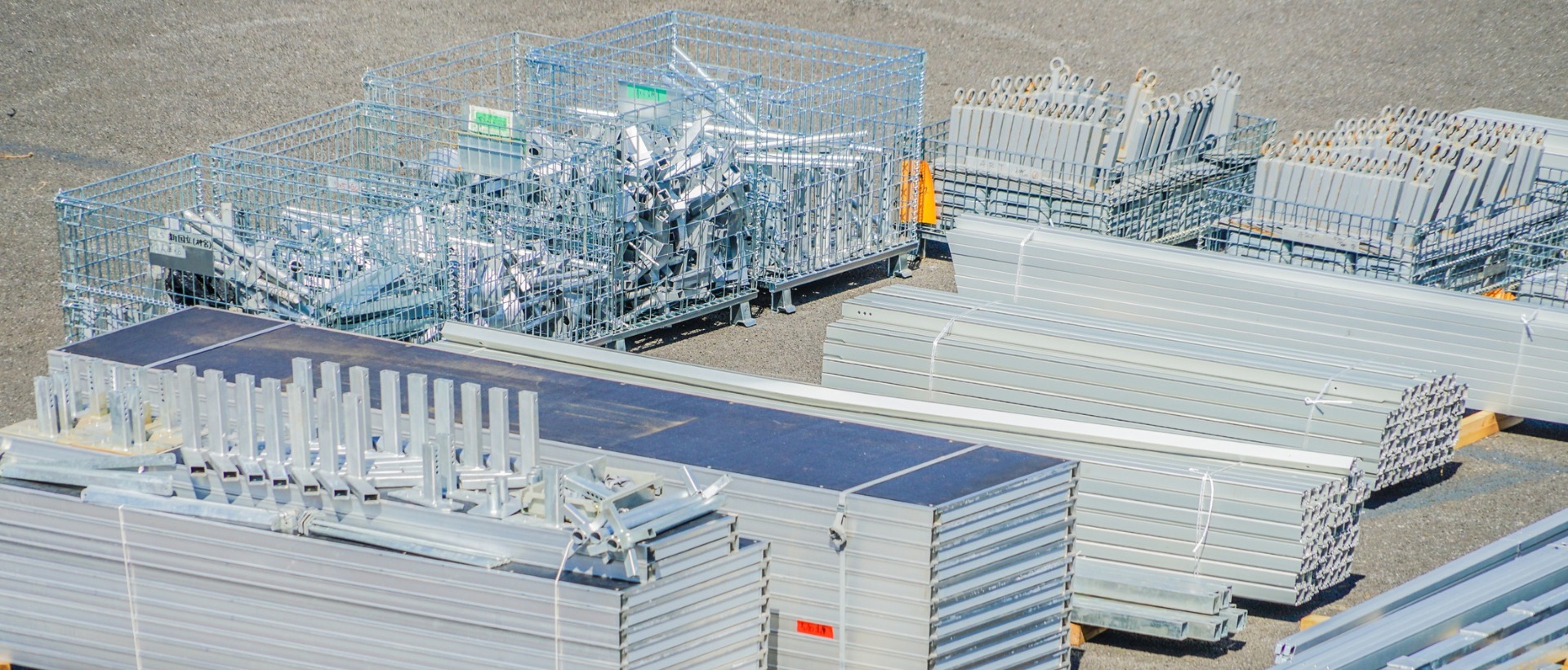
South African construction and mining projects face relentless cost pressures. Materials account for up to 60% of project budgets, yet many procurement managers still approach purchasing reactively rather than strategically. The difference between project profitability and budget overruns often lies not in cutting corners, but in understanding how bulk procurement transforms material costs into competitive advantages.
Whether you’re managing a commercial development in Johannesburg, a mining infrastructure project in the North West Province, or municipal upgrades across Gauteng, bulk construction materials procurement deserves strategic attention. Infrastrat specialises in helping project managers, quantity surveyors, and procurement teams navigate this complexity whilst maintaining uncompromising quality standards.
What Qualifies as Bulk Construction Material Procurement?
Bulk procurement differs fundamentally from standard ordering. Whilst individual purchases focus on immediate needs, bulk strategies align material acquisition with project timelines, budget optimization, and supply chain efficiency. For most construction materials, bulk ordering begins at volumes that justify wholesale pricing structures—typically starting at pallet quantities for precast concrete products or tonnage thresholds for aggregates and cement.
Projects that benefit most from bulk procurement share common characteristics: extended timelines, predictable material consumption patterns, and adequate storage capacity. Commercial developments, mining infrastructure projects, and municipal contracts naturally fit this profile. Housing developments requiring hundreds of precast kerbs, mining operations needing consistent supplies of step irons and electrical plinths, and road construction projects consuming tonnes of aggregates all achieve substantial savings through strategic bulk purchasing.
The materials most suitable for bulk procurement include precast concrete products like kerbs, lintels, and retaining blocks, alongside aggregates, cement, reinforcement steel, and standardised infrastructure components. These items combine stable specifications with extended shelf life, making volume purchasing both practical and profitable. Infrastrat’s product range—from SANS 1215 certified kerbs to electrical plinths and digital infrastructure components—exemplifies materials engineered for reliable bulk supply.
Cost Advantages: Beyond Unit Price Reductions
The financial benefits of bulk construction materials procurement extend well beyond the obvious unit price discounts. Yes, volume purchasing typically yields 15-30% savings on individual item costs compared to retail pricing, but the total economic impact multiplies when you account for indirect benefits that many procurement managers overlook.
Consider the administrative efficiency gained through consolidated ordering. Rather than managing dozens of purchase orders, delivery schedules, and supplier relationships throughout a project, bulk procurement reduces administrative overhead significantly. Each eliminated transaction saves time, reduces processing costs, and minimises opportunities for ordering errors. For project managers already stretched thin, this operational simplification carries real value.
Delivery costs present another substantial savings opportunity. Consolidating materials into fewer, larger deliveries dramatically reduces per-unit transportation expenses. A single truck delivering 500 precast kerbs costs far less per item than ten separate deliveries of 50 kerbs each. In Gauteng’s congested transport network, or when supplying remote mining sites in Limpopo or the North West, these logistics savings compound quickly.
Payment terms improve for established bulk buyers too. Suppliers can offer more flexible payment structures when dealing with larger, predictable orders. This might include extended payment terms, progress-based payments aligned with project milestones, or early payment discounts that further reduce effective costs. The working capital benefits help maintain healthy project cash flow whilst securing materials well in advance of need.
Long-term pricing stability deserves consideration as well. Construction material costs fluctuate with commodity prices, fuel costs, and economic conditions. Bulk supply agreements often lock in pricing for extended periods, protecting projects from market volatility. When cement prices rise unexpectedly or fuel surcharges increase delivery costs, projects secured by bulk agreements maintain their budget integrity.
To illustrate these combined savings, consider a hypothetical municipal road project requiring 2,000 precast concrete kerbs. Standard procurement at R85 per kerb totals R170,000, plus R35,000 in delivery costs across multiple shipments—R205,000 overall. Bulk procurement might reduce the unit cost to R65 per kerb (R130,000) whilst consolidating delivery into three shipments at R15,000 total. The net project cost drops to R145,000—a saving of R60,000, or approximately 29%. For projects managing millions in material costs, these percentages translate into substantial retained value.
Managing Bulk Material Logistics in South Africa
Logistics complexity increases proportionally with volume, making supply chain management critical to bulk procurement success. South African geography presents unique challenges—Gauteng’s traffic congestion differs markedly from the access constraints of remote mining operations in Rustenburg or the distances involved in supplying Eastern Cape projects from Johannesburg hubs.
Delivery coordination requires careful planning. Large material volumes demand appropriate receiving capacity, including adequate site access for heavy vehicles, sufficient offloading equipment, and organised staging areas. A construction site in Sandton’s dense urban environment faces different logistics constraints than an open-pit mining operation in the Free State. Understanding these site-specific requirements before committing to bulk orders prevents costly delivery complications.
Storage and handling considerations shape bulk procurement feasibility. Precast concrete products need protection from excessive moisture whilst maintaining accessibility for construction sequencing. Step irons and electrical plinths require secure storage to prevent theft whilst remaining available when installation schedules demand. Adequate site storage capacity must exist before materials arrive, or alternative warehousing arrangements must be secured—adding cost and complexity that can erode bulk purchasing benefits.
Project teams face a strategic choice between just-in-time delivery and inventory holding. Just-in-time approaches minimise storage requirements and working capital tied up in materials, but demand precise coordination between supplier delivery capabilities and construction schedules. Any delays create cascading problems. Inventory holding provides buffer against schedule uncertainties but requires storage space, security, and inventory management systems. Most successful bulk procurement strategies blend these approaches, maintaining strategic inventory whilst scheduling deliveries to match consumption patterns.
Quality control at scale requires systematic verification processes. SABS certification provides baseline assurance, but bulk deliveries demand batch-specific verification. Establishing clear quality inspection protocols—checking representative samples from each delivery, verifying documentation matches specifications, and documenting any discrepancies immediately—protects projects from accepting substandard materials simply because volumes overwhelm inspection capacity.
Regional logistics considerations vary significantly across South Africa. Gauteng’s position as an infrastructure and manufacturing hub enables relatively straightforward distribution to surrounding provinces, but lead times and delivery costs increase with distance. Coastal projects in Durban or Cape Town might benefit from different supply chain strategies than projects in central regions. Remote mining operations require particular attention to access road conditions, seasonal weather impacts, and the logistics of maintaining consistent supply to isolated sites.
Infrastrat’s logistics capabilities address these complexities through proven delivery systems, regional knowledge, and flexible scheduling that accommodates project realities rather than imposing rigid supply constraints.
Ensuring Consistent Quality in Volume Orders
Quality concerns intensify with volume. A single defective kerb inconveniences a project; a batch of 500 substandard units creates crisis. Rigorous quality assurance processes distinguish reputable bulk suppliers from unreliable alternatives.
SABS certification represents the foundation of quality assurance in South African construction materials. SANS standards—particularly SANS 1215 for concrete kerbs, channels, and edgings—establish clear specifications for dimensional accuracy, compressive strength, and durability characteristics. Bulk procurement should never compromise these standards in pursuit of cost savings. Every precast concrete product, every batch of aggregates, and every infrastructure component must meet or exceed relevant SABS requirements.
Quality verification processes must scale with volume. Batch testing protocols ensure consistency across large orders, with testing frequency aligned to risk levels and material criticality. For precast concrete products, this typically means testing representative samples from each production batch, verifying compressive strength, checking dimensional tolerances, and confirming finish quality meets specifications.
Documentation requirements increase in bulk procurement scenarios. Comprehensive records—including batch-specific test certificates, SABS Letters of Authority, material traceability documentation, and quality inspection reports—provide essential protection if questions arise during construction or after project completion. These documents demonstrate due diligence in material selection and verify compliance with specifications.
Warranty and guarantee structures for bulk orders merit careful attention in supplier agreements. Clear terms defining acceptable quality standards, procedures for addressing non-conforming materials, and remedies for quality failures protect buyer interests. Understanding these provisions before committing to large orders prevents disputes when problems inevitably arise.
Infrastrat’s quality commitment—captured in the principle “right first time, every time”—reflects understanding that bulk procurement only delivers value when quality remains uncompromised. Nation-building through infrastructure development requires materials that perform reliably throughout their service life, not components that fail prematurely due to inadequate quality control.
Buyers should watch for red flags suggesting quality compromises. Suspiciously low pricing often signals substandard materials or uncertified suppliers. Reluctance to provide documentation, vague responses about certification status, or inability to demonstrate SABS compliance all warrant caution. The modest savings from questionable suppliers rarely justify the risks of project delays, rework costs, and potential liability for non-compliant construction.
Selecting the Right Bulk Construction Materials Supplier
Supplier selection determines bulk procurement outcomes more than any other factor. The relationship between buyer and supplier should transcend transactional interactions, evolving into partnerships built on mutual understanding, shared quality standards, and reliable performance.
Evaluation begins with assessing product range and availability. Comprehensive suppliers offering diverse products simplify procurement by reducing the number of relationships to manage. A supplier providing precast kerbs, concrete lintels, step irons, electrical plinths, and rubber rings enables consolidated ordering across multiple material categories. Stock levels and lead times matter equally—bulk orders require suppliers with production capacity and inventory systems that accommodate large volumes without excessive wait times.
Quality and certification credentials deserve thorough investigation. Current SABS certifications, manufacturing facility quality systems, and testing capabilities all indicate supplier reliability. Requesting and verifying documentation should feel routine rather than confrontational; suppliers confident in their quality welcome scrutiny.
Delivery reliability separates superior suppliers from mediocre alternatives. Bulk procurement depends on predictable delivery performance aligned with project schedules. Suppliers with adequate logistics infrastructure, transparent delivery tracking, and contingency plans for unexpected complications provide essential peace of mind. Geographic reach matters too—a Johannesburg-based supplier’s delivery capabilities to Cape Town differ from their Gauteng coverage.
Pricing transparency and commercial terms structure the financial relationship. Clear pricing schedules, straightforward discount structures for volume commitments, and reasonable payment terms indicate professional supplier operations. Hidden fees, unclear pricing methodologies, or unexpected charges erode the trust essential to successful bulk procurement partnerships.
Technical support capabilities extend supplier value beyond mere product delivery. Specification assistance helps ensure material selections match application requirements. Product selection guidance prevents costly mistakes when projects involve unfamiliar materials or applications. Installation advice and troubleshooting support demonstrate supplier commitment to project success rather than simply moving inventory.
Evaluating suppliers systematically prevents poor choices. Consider these criteria: Does their location and delivery capability match your project geography? Does their product range align with your material needs? Do they provide transparent certification and quality documentation? Are pricing and commercial terms clear and reasonable? Do they offer technical support and project assistance? What track record and references demonstrate their reliability?
Infrastrat’s approach emphasises partnership over transactions. Supporting South Africa’s infrastructure development requires more than supplying materials—it demands understanding project challenges, providing technical expertise, and maintaining unwavering commitment to quality and delivery reliability. This nation-building mission shapes every client relationship, ensuring bulk procurement serves strategic project objectives rather than simply reducing costs.
Building Value Through Strategic Procurement
Bulk construction materials procurement represents far more than a purchasing tactic. Approached strategically, it transforms material costs from budget constraints into competitive advantages whilst maintaining the quality standards essential for infrastructure that serves South Africa’s development needs.
The convergence of direct cost savings, operational efficiency, logistics optimisation, and quality assurance creates value that compounds throughout project lifecycles. Projects supplied through well-managed bulk procurement experience fewer delays, maintain tighter budget control, and deliver infrastructure built to last. These outcomes matter whether you’re constructing commercial facilities in Gauteng, developing mining infrastructure across the Platinum Belt, or upgrading municipal services in growing cities.
Success requires selecting suppliers who understand that bulk procurement partnerships demand more than volume discounts. Reliability, quality consistency, technical support, and genuine commitment to client success distinguish suppliers worthy of long-term relationships from those treating bulk orders as simple transactions.
Infrastrat invites you to experience infrastructure strategic sourcing that balances cost efficiency with uncompromising quality. Our SABS certified product range—from precast concrete kerbs and lintels to step irons, electrical plinths, and digital infrastructure components—serves South Africa’s construction and mining sectors with proven reliability.
Ready to transform your project procurement? Request a bulk materials quote today, or speak with our procurement specialists about your specific infrastructure needs. Let’s build better together.
Leave a Comment Cancel Reply
Your email address will not be published. Required fields are marked *
Type here..Name*
Email*
Website
Save my name, email, and website in this browser for the next time I comment.